

Winter Fly Fishing in the Smoky Mountains — Solitude, Active Trout, and the Mixing Zone
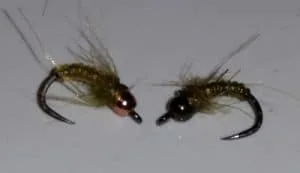
The best part of winter fly fishing in my area of western NC is that the crowds are mostly gone! Fish activity can be among the most active of the year, depending on cold weather patterns. This past January, we had temperatures reaching the mid-60s for over half the month. The internet is full of information on winter fly patterns from resources around the globe. In this part of the country, that list has always included old standby patterns such as zebra midges, egg patterns, blue wing olive nymphs, black stones, and the list gets lengthy in a hurry.
The internet is full of fly patterns and gear for all the various seasons. The reason is actually quite simple: fly fishing studies reveal that about 500,000 anglers have fished for many years and figured out many keys to consistent success. At the same time, roughly 29,500,000 people are introduced to the sport each year but move on to other things. This crowd is looking for the experience but not really making an effort to improve.
The Retail Fly Fishing Machine Is Not the Answer
The "retail machine" also drives the growing number of fly shops popping up throughout the globe because trying to sell this experience is a highly competitive business. This crowd is looking for the experience but not really making an effort to improve—shops that hire a dozen new staff members each year to hashtag everything back to the shop and flood social media with fish selfies.
It's important that newcomers have a positive experience and learn something new on their first outing. Many schools and shops cater to the "experience" over actually teaching what is needed, hoping for a quick sale. If you let new fly fishers leave unprepared, there's a high likelihood they'll abandon the sport. Most shops and outfitters prioritize a retail agenda for gear rather than an educational approach for improving their clients.
It Is Not About the Gear, It Is All About You
Often we get questions about favorite flies, types of gear, leader construction, and many other facets of fly fishing. While these can be useful to someone starting out in the sport, they often put beginners off track for a positive experience on the water. Strike detection methods, line control, water type, a methodical approach to covering water, and versatility of techniques all equate to presentation. Presentation is the grail of fly fishing. Your results will improve when you enhance your overall presentation.
The choice of patterns really boils down to fishing pressure and the present conditions on the water. Many variables enable fish to respond differently depending on the stresses placed on them. There are times when the general population is in a "happy mood" and feeds with reckless abandon. The opposite occurs when stresses run high and they sulk. All living creatures succumb to this similar pattern of ebb and flow activity.
Timing Is Everything
Observation is the key to recognizing these "gem-like" moments throughout nature. For over thirty years, my bird feeders remain stocked with seed, yet the birds only want it at certain times. Pay particular attention to the fine details on the water. The best part of winter fly fishing is the solitude and feeding trout!
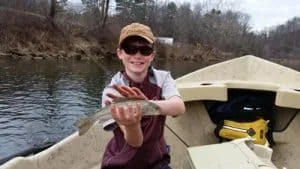
Connor Brown Rainbow on the Tuck
These clues are present on each and every outing. They typically shift throughout the day. Pay attention to the subtle clues about where the fish rise and in what water type. Winter activity is actually quite easy to predict if you follow weather patterns and water temperatures. Even when water temps remain in the low 30s, you'll typically find the most active fish during the warmest part of the day.
Trout tend to pod up in large numbers over the winter months. Focus on the deeper pools to work your flies, and really slow down! Fish tend not to move as far as they do in other seasons for feeding. Make sure you're fishing your flies near the bottom in what we call the mixing zone. This is where trout tend to feed the most during winter fishing.