Fly Fishing Tips for Winter Trout

Fishing Reports — January 5, 2018 — 3 min read — Updated June 9, 2026

Fly Fishing Tips for Winter Trout

Winter trout fishing in the Smoky Mountains requires smaller flies, finer tippets, slower presentations, and a thorough understanding of where cold water sends trout. Mac Brown has guided winter trout fishing in Bryson City, NC since 1987 — fishing 6-8X fluorocarbon, three-fly rigs, CDC puff dries, and pheasant tail nymphs on a 10'6 rod with a 3-weight line and 30-foot leader. The biggest advantage of winter fishing on the Tuckasegee and Nantahala is solitude — world-class trout water with almost no one else on it.

Back to Blog
Fly Fishing Tips for Winter Trout

Fly Fishing Tips To Catch More Winter Trout

Fly fishing tips to catch more winter trout in Bryson City, NC Smokies! There are many benefits to pursuing trout in cold winter waters. As the water temperature drops, trout tend to favor new holding water. Structure and slower water currents rule when determining where they will be resting. Look for water type with flow rates around two feet per second and a minimum depth of two to five feet. This water type tends to hold the majority of trout through the winter season.

Hatch Report

Winter flies tend to be smaller (18-24) with predominantly BWOs and midges. Stomach samples will teach you this quickly during winter. Don't neglect fishing the film during winter, especially if you can see trout activity near the surface feeding! It's long been one of my favorite aspects of the year. Marking active fish and covering the rise forms is technical fishing, so the challenges increase accordingly.

Long leaders will make this task easier for achieving drifts and help minimize spooking wary fish. Leader length is relative to your casting abilities, so this will vary. I've been using a 10'6" fly rod with a #3 weight line the past few winters with a leader around 30 feet in length. This increased stealth helps minimize spooking wary fish. Since water levels tend to be lower in winter, stealth becomes even more important. Wear drab clothing that blends in with your surroundings. The Delayed Harvest waters of the Tuckasegee River in Bryson City can be epic over the winter months!
winter-trout-fishing-delayed-harvest-tuckasegee-river

SLOW DOWN During Winter Fly Fishing

Slowing down is really one of the biggest lessons you'll learn from fly fishing in the colder months. Active fish feeding in the film tend to be on "high alert" mode most of the time. When you land a fish, take a few minutes to observe the other rise forms. The more you observe and cast less, the better your overall results will become during the winter months.

Tippet sizes are smaller and will vary depending on water type. It's common to use 6-8X fluorocarbon throughout the winter. Use regular nylon in 6-8X for fishing higher in the film. Also have some "mud" (aids in sinking tippet) and some Mucilin (tippet grease to float) to make fine adjustments.

The three-fly rig is my preferred method because it enables me to grid off sections of water in less time. Fly patterns include tiny CDC Puff Dries, parachute dries, wets for emergers, pheasant tails, ju-ju's, Egan's Rainbow Warrior, Iron Lotus, and dozens more. The most important thing is to keep them SMALL!

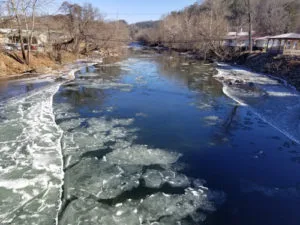
Winter trout fishing will assist with your water-reading skills as well. Right now we've had a week of single-digit temps here in Bryson City. All the rivers have ice features in the water. The slower currents tend to freeze over while the faster currents move with floating ice chunks. If you live close to trout water, take some pictures! These can be great learning tools for discerning the currents.

There are many underwater springs in the Smokies that provide warmer water temps for trout to feed. Look for these by watching for fog near the banks for clues. The last tip is this: after a long cold snap when the weather warms up—GET OUT THERE! These times tend to produce the best winter fishing of the season. Think of it as fish being in survival mode during the lethargic 33-35 degree water temps. Once the temps bump up a few degrees, it's usually "GAME ON."

Tight lines, Mac

Tags

Bryson Citybwo'scdc puff driesEgan's Rainbow Warriorfishing the filmIron Lotuslong leadersmidgesnc fishingtippet sizes for winterunderwater springswater readingwets for emergerswinter fly fishing ncwinter trout fishing

Frequently Asked Questions

Is fly fishing good in the Smoky Mountains in winter?

Yes — winter is underrated on these waters. Blue-winged olive and midge hatches provide genuine dry fly opportunity on overcast mild days. The Tuckasegee delayed harvest section fishes well all winter. The Nantahala tailwater maintains consistent temperatures year-round. The biggest advantage is solitude — some of the finest trout water in the eastern United States with almost no other anglers on it.

What flies work best for winter trout fishing in the Smokies?

Keep them small. CDC puff dries, parachute dries, and wets for emergers for surface activity. Pheasant tails, Ju-Ju's, Egan's Rainbow Warrior, and Iron Lotus for subsurface. Three-fly rigs allow you to grid off water efficiently and find the depth and pattern the fish want. Most important rule: size down further than you think necessary.

What tippet should I use for winter trout fishing?

Use 6-8X fluorocarbon for subsurface fishing in most winter conditions — finer tippet sinks faster and is less visible in low clear water. For fishing higher in the film, 6-8X nylon works well. Carry mud to sink the tippet and Mucillen to float it — making fine adjustments based on where the fish are feeding.

Where do trout hold in winter in the Smoky Mountains?

Cold water sends trout to slower, deeper lies. Fish long deep pools, slack water behind structure, and tailouts where food concentrates. Avoid fast broken water in cold conditions — trout cannot afford the energy expenditure. Water temperature is the guide — the warmer the water within the winter range, the more active the fish and the wider their feeding lanes.

What is the best time of day for winter fly fishing in the Smokies?

The warmest part of the afternoon — typically 11am to 3pm — when water temperatures have climbed as high as they will for the day. BWO and midge hatches on the Tuckasegee and Nantahala most often occur on overcast mild days during this window. Early morning in winter is the least productive time — unlike summer when early morning is essential.

Related Posts

Fishing Reports

What to Expect on a Guided Fly Fishing Trip — The Big Four Skills That Matter Most

Read →

Fishing Reports

Fly Fishing Lakes & Stillwaters

Read →

Fishing Reports

How to Choose a Guided Fishing Trip

Read →
© 2018 Mac Brown · macbrownflyfish.com. All rights reserved.

Monthly Fly Fishing Updates & Prizes

Updates from the River, Blog Posts, School Updates, Show Appearances, Gear Picks, Fly Selections, & More every Month.

Subscribe to the List