Team USA Youth Fly Fishing in NC

Fishing Reports — April 15, 2015 — 2 min read — Updated October 5, 2026

Team USA Youth Fly Fishing in NC

Mac Brown has coached Fly Fishing Team USA Youth in Bryson City, NC for over 16 years — training elite young competition anglers on the diverse trout waters of Western North Carolina including Deep Creek in Great Smoky Mountains National Park, the Tuckasegee River delayed harvest section, the Upper and Lower Nantahala River, and the Cherokee Trophy Waters. Bryson City provides the most technically diverse competition training environment in the eastern United States — from heavily stocked delayed harvest water to wild technical freestone streams requiring precise grid casting and natural small patterns.

Back to Blog
Team USA Youth Fly Fishing in NC

Team USA Youth Fly Fishing in Bryson City, NC

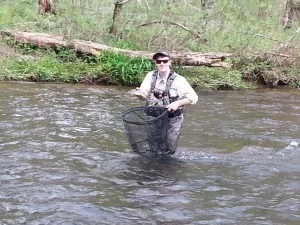
Team USA Youth Fly Fishing has descended on the small town of Bryson City, NC this past week. Jon Dietz and Jack Arnot are pictured above fly fishing on Deep Creek in the Great Smoky Mountains National Park. Great overcast conditions and steady rains have been the norm for the week. These conditions have brought fish up in the water column, which is typical for this type of weather.
delayed-harvest-nc-team-usa-youth-fly-fishing.jpg

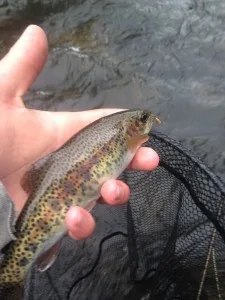
We had great practice on the Tuckasegee River on Saturday, with plenty of activity using nymphs all day. Saturday afternoon, we headed to the Lower Nantahala River, which is the crown jewel of this region. The lower section fished beautifully on dry flies most of the day, and we also had success with nymphs as the sun climbed overhead.
team-usa-youth-fly-fishing.jpg

Upper Nantahala River Delayed Harvest

Sunday found us back on the Upper Nantahala River Delayed Harvest section during one of the most active hatches of the spring. Dry flies were the way to go, with trout looking up most of the day under perfect overcast skies. Lighter nymphs fished high in the water column were also very productive.

Deep Creek & Trout Fishing the Smoky Mountains

Monday and Tuesday we were back on the more technical waters of Deep Creek, fishing both the state water and the National Park section. This watershed is totally different from the Delayed Harvest streams of western NC because you must work sections precisely, casting in grids over likely holding water. The fly selection here requires more natural patterns that are generally much smaller than what you'd use on a delayed harvest section.

I love teaching efficient casting techniques that help anglers keep their flies in the water a higher percentage of the day. Using vector casting to pull flies at various depths requires many casts in a grid pattern. The depth is controlled by how we cast the nymphs into the water surface, the rate of pull we use, and the angle of the rod for different locations on the stream. They're fishing in the rain today over the trophy trout of Cherokee, NC.

Jon got in some epic practice with dry fly techniques in pocket water on Sunday and brought numerous trout to the net! I'm looking forward to the main event this weekend on the banks of the Nantahala River.

Tags

bryson city nc trout fishingCherokee trophy waterdeep creekdelayed harvest nantahala riverFishing Report Tuckasegee RiverFly fishing guided tripsFly fishing wncnantahala riverTeam USA youth teamtrout fishing great smoky mountains national parktrout fishing ncTrout fishing smoky mountains

Frequently Asked Questions

Why is Bryson City NC used for Fly Fishing Team USA Youth training?

Bryson City and Swain County provide the most diverse trout water training environment in the eastern United States — combining heavily stocked delayed harvest sections on the Tuckasegee and Nantahala rivers, wild technical freestone streams on Deep Creek inside Great Smoky Mountains National Park, and the Cherokee Trophy Waters for large fish experience. This diversity develops complete competition anglers capable of adapting to any water type — exactly what international fly fishing competition demands.

What is vector casting and how is it used in competition nymphing?

Vector casting is Mac Brown's term for directing nymphs into the water at precise angles to control depth — the angle of entry, the cast trajectory, and the rate of pull after entry all determine how deep the flies fish throughout the drift. On technical freestone streams like Deep Creek, competition anglers fish in precise grid patterns over likely holding water — covering each section systematically rather than randomly. Depth control through vector casting is the foundation of high-count competition nymphing.

How does Deep Creek differ from delayed harvest streams for fly fishing?

Deep Creek inside Great Smoky Mountains National Park is a wild freestone stream requiring completely different technique than delayed harvest sections. Fish are wild, pressured, and selective — requiring more natural patterns in smaller sizes than delayed harvest sections where stocked trout are more cooperative. Sections must be worked precisely in grids over likely holding water. Efficient casting that keeps flies in the water a higher percentage of the day is critical — every wasted cast on wild water is an opportunity missed.

What are the Cherokee Trophy Waters and why are they significant?

The Cherokee Trophy Waters on the Oconaluftee River in the Cherokee, NC tribal lands offer some of the largest stocked trout in Western North Carolina — managed specifically for trophy fish rather than numbers. The water provides valuable experience for Team USA Youth anglers learning to target and land larger fish than standard delayed harvest sections typically produce. A tribal fishing permit is required — separate from a standard NC fishing license.

How has Mac Brown contributed to Fly Fishing Team USA Youth?

Mac Brown has coached Fly Fishing Team USA Youth for over 16 years — hosting training clinics in Bryson City, NC on the region's diverse trout waters and developing elite young competition anglers who have gone on to represent the United States in international fly fishing competition. His competition coaching experience directly informs the curriculum at the Fly Fishing Guide School — where competition-level nymphing, dry fly, and wet fly techniques are taught to all students regardless of competitive aspirations.

Related Posts

Fishing Reports

What to Expect on a Guided Fly Fishing Trip — The Big Four Skills That Matter Most

Read →

Fishing Reports

Fly Fishing Lakes & Stillwaters

Read →

Fishing Reports

Fly Fishing Tips for Winter Trout

Read →
© 2015 Mac Brown · macbrownflyfish.com. All rights reserved.

Monthly Fly Fishing Updates & Prizes

Updates from the River, Blog Posts, School Updates, Show Appearances, Gear Picks, Fly Selections, & More every Month.

Subscribe to the List