

Barbless Hooks Increase Your Catch
Barbless hooks increase your catch rate while on the water. This topic comes up throughout the season. Here are some thoughts to consider regarding this claim. Why do most shops around the country still supply predominantly barbed hooks? Maybe because tradition has a way of resisting change—that would be my first guess.
Our delayed harvest is back in full swing in western NC with very high numbers of trout landed daily. It makes my life much easier as a guide and instructor to simply give a bit of slack and have the hook fall out! This leads to higher numbers of fish landed throughout the day with reduced fish mortality from over-handling. Barbless hooks increase your catch simply because the hook sets penetrate quicker.
While tying flies with my boys (10 and 7 years old) the other night, this question came up. It was worded a bit differently from my oldest son, but it went something like "why do we waste time grabbing pliers for mashing barbs when they are less sharp to begin with?"
The magic lies in the simplicity of hook penetration with barbless hooks. This is an easy concept to explain and demonstrate, even to young kids. Here's a quick method for comparing barbed versus barbless hooks to see which benefits you more on the water. Test this for yourself with a cardboard box or piece of heavy paper and compare the difference. Is a wedge (barbed hook) or a spear (barbless hook) easier to penetrate cardboard? The barbless hook can lead to a higher percentage of fish hooked because it penetrates with less effort.

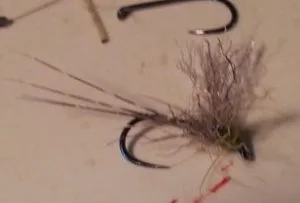
Hook picture of barbless (top and bottom) and #16 barbed hook
Technique Lands Fish
Many fly fishermen believe that the barbed hook will keep fish on more easily so they can be landed. Better technique is the reason folks land fish. If the rod applies pressure (which equates to tension) and the rod bends like the capital letter C, then all is good for landing fish. This is solid technique as long as the rod bend is maintained while playing fish. barbless hooks increase catch
The next factor, which is a win for barbless, is that it's quick to remove from fish so you can catch another one quickly! In the event that you ever hook yourself accidentally, it's also quick to remove from you. Wow—less injury to you and the fish, yet barbless is still a minority choice around the country. Barbless hooks fall out of the fish without even having to handle the fish once they're netted. This makes catch and release simple and reduces mortality rates by allowing you to release fish quicker with less overall handling. It also keeps the "catch and crease" crowd happy because it's easier to catch more fish due to using a sharper hook.
Many competition hooks have become really popular over the last decade throughout America. They are sharper overall and offer much better hook penetration to the upper mouth area, especially when using jig hooks. The top hook in the picture is a 450 BL Hanak Jig Supreme. It rides upside down and hooks fish consistently in the upper part of the mouth. Hooks such as Hanak, Fulling Mill, Dohiku, and Maturo, among many others, have given fly tiers access to much better quality wire than in years past.
Barbless Hooks Increase Your Catch
Crimp Those Barbs for Better Hookups
You can use pliers to crimp the barb from hooks, but this can lead to broken hook points, especially for saltwater hooks. For general trout and other freshwater species, you can also just purchase very sharp wire that is already barbless. I tie flies most often through the winter months and find it much easier to purchase quality barbless wire from the start. Many folks blame dropped fish on the hook because the wire lacks a barb. Fish are dropped when hooked because of a reduction in tension! Barbless hooks increase your catch when you maintain tension on the line. The rod becoming straight is a sure sign that you've lost it!
One other quick tip is to find a sharp, quality hook that you're confident in and stick with it. For most wires (barbless or barbed), a down-turned eye is an advantage when fishing due to the difference in leverage. With smaller-sized hooks, you'll notice an increased percentage of fish hooked with a larger hook gap.
Many angling cultures in the South Pacific have used various hook shapes for thousands of years, which affect leverage and holding power. I believe certain wire attributes lead to an overall higher percentage of fish landed. Stay with the wire you've had the greatest success with on the stream!
Many wires are too thin for the spear point and dull quickly, especially very fine dry fly hooks. Durability remains better with medium to heavy wire hooks. Heavier wire can stay sharp for hundreds of hookups. Use a diamond hook file as well as a few nail files when the hook becomes dull. You can test the hook point on your thumbnail, and if it slips rather than digs in, hit it with the file or change hooks. A good hook honing stone is worth packing in your vest for this reason. barbless hooks increase catch