Fall Fly Fishing in North Carolina

Technique — October 10, 2016 — 3 min read — Updated June 9, 2026

Fall Fly Fishing in North Carolina

Fall fly fishing in North Carolina begins in earnest in mid-September — when water temperatures drop back into the productive range, delayed harvest sections reopen October 1, and the October Caddis hatch triggers the most aggressive dry fly takes of the entire year from the largest brown trout in the system. Mac Brown Fly Fish in Bryson City, NC has guided fall trips since 1987 — welcoming international visitors from Australia, New Zealand, Germany, Switzerland, Austria, Japan, England, and Scotland alongside anglers from across America. Great Smoky Mountains National Park alone holds over 2,900 miles of wild trout water — the finest fall fly fishing destination in the eastern United States.

Back to Blog
Fall Fly Fishing in North Carolina

Fall Fly Fishing Invasion in North Carolina

The fall fly fishing invasion in North Carolina really began in mid-September. Over the last few weeks, I've been fortunate to work with more visitors from Europe and Oceania than ever before this fall. Many think of Western Carolina as the "stock trout" bashing that goes on from the first of October through the first of June. What they don't know is that the Great Smoky Mountains National Park has over 2,900 miles of wild trout water—a number just released by the fisheries biologist. In addition to this are thousands of miles of Nantahala National Forest streams. Epic choices based out of Bryson City!

During the last few weeks, I've been very fortunate to work with folks from Australia, New Zealand, Germany, Switzerland, Austria, Japan, England, and Scotland, in addition to anglers from America. Puzzling, to say the least, with all of these international trips—but I'm thankful to have met some incredible people. Fly fishing creates an avenue for forming new friendships in great surroundings. Fall is such a wonderful time to be in North Carolina, and it also provides me the opportunity to learn new things from other cultures.
fly-fishing-lesson-beginners-duncan-brown

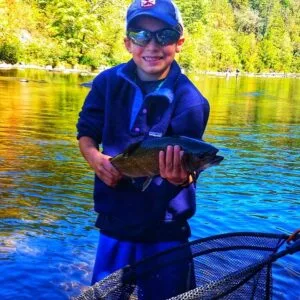
Kids and Trout Fishing

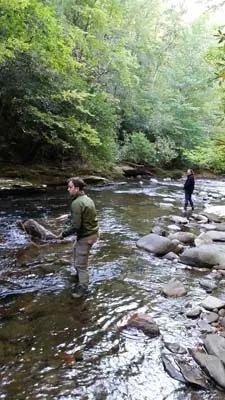
Conditions here differ greatly before the delayed harvest streams open back up in early October compared to the wild trout waters in Great Smoky Mountains National Park. September provides better fishing in the park, with dry flies being effective on most trips. I landed better quality fish on small dries throughout most of the month.

Those September days required much better line control overall for greater catch ratios—very technical conditions, to say the least! The lack of rain created some of the lowest water levels ever for many of our streams. Very long leaders with small dries make it much easier to manage skinny water. I prefer these conditions to stocked fishing on the Delayed Harvest for trips because the challenges are much greater.
deep-creek

Delayed Harvest Programs

The Delayed Harvest program provides one of the best studies of fish behavior. I prefer to fish the same water for the first few weeks to observe these changes. The stocked fish bashing sessions typically begin with double streamers and continuous hookups back to back. Every angler tends to stay happy for the first few days because success comes easily to everyone. Once the chasing of patterns slows down, we begin to actually work the system for cracking the code!

The process of figuring out what to do next is more complex than ever before with catch and release applied. We train those same pods of fish to become increasingly selective to avoid being hooked! Anglers of days gone by would have never cracked the code for creating super fish when you think about it. They harvested fish for the table for the past 10,000 years in practically every example you want to study. It's a great thing to know that something you release may put a smile on the face of another angler!

What I'm pointing out is that these types of programs also create fish that adapt rapidly and become more selective in short order. The fish numbers prove this every year of the delayed harvest programs, with some of the largest number of days for trout landed. Opportunities await you for the fall fly fishing invasion in North Carolina!


Tags

Bryson Citydelayed harvest ncdelayed harvest tuckasegeeDelayed Harvest Water Bryson Cityfall fishing ncfall fly fishing bryson cityfish behaviorfly fishingfly fishing great smoky mountains national parkfly fishing nantahala national forestselectivity fly fishing

Frequently Asked Questions

When is the best time for fall fly fishing in North Carolina?

Mid-September through November is the prime fall fly fishing window in Western North Carolina. Water temperatures drop back into the productive 45-65°F range, the October Caddis hatch triggers aggressive surface feeding from large brown trout, and the delayed harvest sections reopen October 1 with fresh stockings on the Tuckasegee River. Fall scenery in the Smoky Mountains peaks in October — making it the most visually spectacular season of the year to be on the water.

What hatches occur during fall fly fishing in the Smokies?

The October Caddis is the signature fall hatch in the Smoky Mountains — a large orange-bodied caddisfly that triggers some of the most aggressive dry fly takes of the entire year. Large parachute patterns, elk hair caddis, and stimulators in sizes 8-12 produce well during peak October Caddis activity. Midges and BWOs also become increasingly important as water temperatures cool through November into winter.

How does catch and release affect fall trout fishing in NC?

Decades of catch and release on delayed harvest sections has created increasingly selective fish — trout that have been caught and released multiple times adapt rapidly and become harder to fool with standard patterns and poor presentations. This is a great thing for the resource and a genuine challenge for anglers. The delayed harvest sections produce some of the largest fish counts of any trout fishing in the eastern United States during fall — but reward anglers with strong presentation skills over those relying on fly pattern alone.

Where is the best fall fly fishing near Bryson City NC?

The Tuckasegee River delayed harvest section through downtown Bryson City opens October 1 and provides excellent float and wade trip fishing through May. The Nantahala River tailwater fishes well year-round. The wild streams of Great Smoky Mountains National Park — over 2,900 miles of wild trout water — offer technical fall fishing for wild rainbow and brook trout with significantly less pressure than the delayed harvest sections.

Do international visitors fly fish the Smokies in fall?

Yes — Mac Brown Fly Fish regularly guides international visitors during fall including anglers from Australia, New Zealand, Germany, Switzerland, Austria, Japan, England, and Scotland. Western North Carolina offers a combination of wild trout fishing, accessible delayed harvest water, and Smoky Mountain scenery that draws serious fly fishers from around the world — particularly in fall when conditions are at their finest. All gear provided, all skill levels welcome.

Related Posts

Technique

Understand Rod Acceleration

Read →

Technique

Understanding the Fly Fishers Triad

Read →

Technique

Standardization in Fly Casting Today

Read →
© 2016 Mac Brown · macbrownflyfish.com. All rights reserved.

Monthly Fly Fishing Updates & Prizes

Updates from the River, Blog Posts, School Updates, Show Appearances, Gear Picks, Fly Selections, & More every Month.

Subscribe to the List